skip to main |
skip to sidebar
 Have you ever tried to meditate? One of the first things they'll usually teach you is to follow your breath: breathe in and out, they say, and watch your breath moving in and out of your body. When your mind starts to wander, return to the simplicity of that task, watching again as your breath comes in and then out of your body.
It sounds easy, but of course it isn't. Our minds wander all over the place. We start thinking of what to make for dinner, the fight we got into a few hours ago, what to wear the next day. It takes discipline to return to the breath, find it again, and let the thoughts drop away.
A wise meditation teacher told me years ago not to worry so much about trying to get my thoughts to stop--a condition he said was practically impossible as a human being--but instead to just not get carried away by them. The key was to be able to watch them as an observer rather than investing them with drama and meaning. Then they could come and go without causing such stress or anxiety.
It's interesting to me, as someone who works to reconnect my clients and myself to the wisdom of our bodies, that something as simple as returning to our breath can begin to teach us this powerful lesson. Our bodies live in the here and now, and every moment our bodies function in incredibly intricate ways without our having to 'do' anything. We breathe, eat, digest food and eliminate waste without even thinking about it. Our bodies remind us how to be.
The other day I was meditating when the pulse of my wrist caught my attention. I could see my heart pulsing gently against my skin, steady and slow. I found myself drawn to just watching that pulse, in awe of the fact that my body knows how to do that about every second, and that my entire body is flushed with blood with every beat of my heart.
In a world that is often busy and hectic, our bodies--and their pulse and breath--provide a kind of metronome for our lives. At any moment, they provide us with a slow and steady consistency we can return to and remember the most basic and essential rhythm of our lives. That's another reason why reconnecting to our bodies is so important, and why we suffer when we get disconnected. Our bodies remind us of our simplicity, our essence. They bring us into the present moment of our lives.
The next time you find yourself spinning out of control with the gazillions of things you have to do, take a moment and consider your pulse. Or watch your breath as it moves in and out of your belly. Sometimes all it takes is a moment--that seemed to be all I needed. Remember the awe and the simple consistency of the bodily functions that make us human every day and every minute of our lives.
Meditation can take lifetimes (literally) to master, but the power of reconnecting to our body's purest rhythms can happen in a moment with conscious attention. Notice what happens in you as you reconnect to your breath moving in and out of your body, to the steady beat of your own heart.
Our bodies also remind us of the grand mystery of life, the miracle of being born with all of these functions interacting and moving through us. Let us remember them when we are most lost or stressed, when we think we must figure everything out with our minds or our 'doing' selves. Our bodies and their stalwart constancy have much to teach us about the wonder and presentness of simply being alive.

"Why did you do it?" I remember asking a teen client of mine years ago who was a cutter. Like a growing number of teens, she cut herself on purpose. Although different from a suicide attempt, cutting is often a cry for help.
She thought for a moment and then said, her eyes welling up, " I think I just wanted to feel...something. I wanted to feel like I was alive."
Today, doing the work that I do with the body, I think cutting is also about something else: feeling our limits. Many of us--teens and adults--feel lost, overwhelmed and pushed in a society that's always demanding something else. By contrast, our bodies limit and confine us. If we cross their boundaries--as my client did--we pay in blood and very real scars. Our bodies tell us where we begin and end. They give us an identity, a shape, a form.
Many of the clients I work with who are sick or have chronic illness grapple with the same issue but in different ways: they know that even if their minds want to push them past the limits of their energy or health, their bodies will pull them back into the confines of rest or a resurgence of symptoms. "If I push too far, I'll pay for it later," a client recently admitted.
The limits of our bodies create a lot of different feelings: in the case of my cutter client, perhaps a momentary sense of relief that belies the need for deeper work. In clients with chronic or terminal illness, the body's limits create an often frustrating battle between desired outcomes and the need to take things one slow step at a time. And of course there are other limits that show up in our body relationships too: the desire to lose weight faster than our bodies can, or to be able to do the things physically that we did when we were younger--the things that have become more difficult as our bodies change and age.
It's an interesting set-up. And yet there's wisdom in it. Our bodies' limits teach us patience, boundaries, self-care. Our bodies create limits where we might not. We feel their pain, their stretch into new ground; we know when we've gone too far.
Too often in the rest of our lives we're missing this mirror. We try to do too much, shove in too much, think too much. As a teenager battling my own body and self-esteem issues I remember staying up late at night eating spoonfuls of peanut butter mixed with chocolate chips until my throat began to sting. My body knew it was too much. I just didn't want to listen.
In some Native American thinking, the place of our wound becomes the place of our power, and I wonder if the same isn't true with the limits the body gives us. Once we know and respect our limits, we move in the world differently. We have greater compassion and patience for ourselves and others. It's a constant, ongoing journey but one we take every day as we learn to be in a more intimate, listening relationship with our own bodies.
The cutter I worked with came to realize that she had pushed herself so hard through her young life that she sometimes didn't know who she was or what she felt. As she learned to do the work of listening to herself, she created healthy boundaries she could feel without taking a knife to her skin. For many of the clients I work with who have chronic illness, respecting limits means truly drawing boundaries around their judgmental, impatient minds and allowing themselves to be more lovingly right where they are. For those clients trying to lose weight like I once was, facing the body's limits often means facing deeply buried judgments that need to be healed before any real change on the outside is possible.
What do your bodies limits have to teach you about slowing down, self-care or self-love? How could you listen to those limits, allow them and stop fighting them? What is your body trying to tell you through its limits and what would it mean to your life if you listened?
Understanding our limits is part of the work of entering into a true relationship with our bodies, and it's one of the many gifts they have to give us. In any relationship we're in, we take on limits as part of the contract of being together. We agree not to see other people, for example, or to make time for each other to truly connect. It's an unspoken part of our body relationship that our bodies will also ask us to have limits. Much as we would like to push past them, believe we're immortal, they will often catch up with us. What they have to teach us about ourselves and our lives--despite the challenge or discomfort they may initially create-- may be their most important role in our lives.
 There's something else that can get in the way of a good relationship with our bodies and it might surprise you. It seems like a good thing, but it's actually not. It seems like you're being loving and attentive, but it's actually too much. What do I mean? I mean it's possible to be too obsessed with your body relationship.
A healthy relationship requires balance, give-and-take, a sense that both voices are heard. Often when we start to reconnect with our bodies, start to realize that we can work with them instead of against them, we'll over-compensate. Clients will sometimes go on fasts or diets, change their exercise to be more attentive and conscious of their bodies, take more naps and slow down the pace of their lives. Those changes are beautiful and important, but they can also become extreme.
In a healthy relationship, you can also tolerate times when it's not possible to be the perfect partner. In a busy life, one of the hardest things to do is, in fact, to find the right balance between the demands of life and the demands of a conscious relationship. We often need to pay attention to whether we might be sliding too far toward the relationship and away from the rest of our lives.
Seems counterintuitive, doesn't it? I mean, isn't it a good thing to be paying attention to our bodies, indulging newly perceived needs for sleep, exercise and good, healthy food? Yes. But watch for warning signs of whether or not the relationship to your body is becoming obsessive and not just loving. Does it, for example:
1)Create isolation rather than connection with others?
2)Become another thing you need to do perfectly rather than the best you can?
3)Affect your functioning by taking too much time away from things you need to do to survive, like work?
4)Interfere with balance in your life by taking most of your attention and energy?
Initially, reconnecting with our bodies may require a period of truly slowing down, listening, and retraining ourselves to do the right things for our bodies. But keep in mind that the best relationships--after the initial honeymoon period--should ultimately enhance our lives rather than interfering with them.
As you begin to gain better trust in your body relationship, it should allow you to be more involved in your life, lighter and more free and not constantly burdened and distracted by its needs. As your relationship with your body becomes more comfortable and dependable, you can and should sometimes make mistakes and have to reconnect; you still have learning and growing to do. As with any relationship, the most important quality for success is openness and honesty, not being perfect.
Watch for how this dynamic of perfection and obsession may come up in other relationships and see if you would be willing to let it go in the relationship you have with your body. How does it feel to let yourself be good enough instead of absolutely perfect? In conscious dialogue with your body, make sure that your needs get heard and expressed too. Allow the healthy relationship you have with your body to expand into a better sense of balance and trust in all aspects of your life.
Ironically, as with other relationships, our bodies prefer a healthy, balanced relationship with us. It's too much pressure to always be the center of attention! If you feel like your body has been asking this of you, be willing to say 'no' and ask for what you need in return. Make room for a life beyond your body relationship, even as you grow and strengthen it. Both you and your body will be happier for that choice.
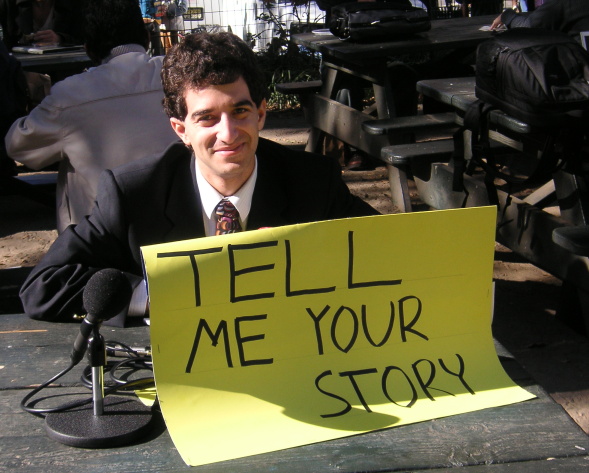 So what's another thing that stands in the way of a positive relationship with our bodies? Never looking at things from the other side of the story. In other words, never checking in with the body's perspective. Of course we do this in all of our relationships: we always want to be right, or we may be so sure that our way is the only way that we can't step out of our own view to take a look at someone else's.
A great deal is lost when we do this with our body. For one thing, without looking with compassion at what our body is experiencing on the other side of this relationship, we may not have to really examine our behavior when we are overly critical, abusive or distant toward it. When we begin to explore things from the body's perspective, begin to pay attention and actually care, we have to acknowledge how we may be harming it. We might, out of our realizations, have to change. Allowing our bodies to matter also changes our behavior toward them.
It's interesting to consider what your body's perspective has been on your whole lives together. What have you gone through? How have you treated it differently depending on how it looked, acted, or how you felt about yourself? If your body could write a biography about its life with you, what would it highlight and what would it be sad to remember? When have you been an ally to your own body and when have you distanced yourself or taken on negative beliefs toward it that created awkwardness or sadness?
In my work I sometimes have clients outline all of the major 'body events' that have taken place in their lifetime, and the beliefs or impressions they may have taken on as a result of those events. Several women, for example, have felt strong and powerful, grateful for their bodies, through the process of giving birth. Others remember childhood teasing and the moment when they decided their bodies were too fat, too short or too slow. Without realizing it, the critical voices outside them became their own toward their bodies.
You and your body have an entire history together. It has a story to tell as well as you. The next time you find yourself criticizing it, ask yourself when you took these beliefs on and how your body has felt about putting up with them. If you really pay attention now, is there anything that you would want to do differently to reclaim your relationship? What would you like your body to be able to say about you and the kind of partner you've been or not been to it?
Use this perspective as a check-in point for yourself from time to time, continuing to ask yourself how your body would relate the story of what's happening between the two of you in any given moment. Watch to see if you're being fair, being a good partner. Is there anything you can learn by acknowledging the body and beginning to respect its side of your life story?
 So what are some of the things that stand in the way of a healthy relationship with our bodies? I want to spend some of the next few blogs talking about the obstacles to having the kind of relationship with your body that lights you up inside, makes life easier, allows you to work together rather than at odds with each other.
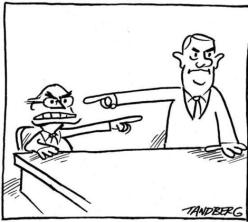
One of the biggest obstacles to a great relationship with your body comes up in many other kinds of relationships too: blame. Think about it, how many times do you want to point the finger at how awful your life is, how it's just not where you want it to be because your body won't cooperate? It's not thin enough, not healthy enough, not moving fast enough.
One woman I worked with--and I can relate--said that it feels sometimes like everything that's going wrong in her life comes down to her not being thin enough. If only her body would lose weight and be thin, everything would be alright. Sound familiar?
If you're dealing with symptoms of an illness this one is even more challenging. Not only might you be angry and frustrated with your body for not doing what it once could, but you might even take on some blame or guilt yourself, wondering if you did something wrong, if anything you did created what's happening now.
Either way, blame is not a useful emotion. It keeps us stuck in our lives because we either take on too much responsibility or not enough. As long as you can point the finger, you don't have to deal with the ways you might have to transform yourself to stay open to healing. And if you take on too much blame, you stay mired in the past rather than focusing on what you can do now, one day at a time.
What's the solution? Look for your own all-or-nothing thinking and the way it might keep you mired in despair and hopelessness. Make a commitment to take blame out of the equation and think about what you might replace it with. Sometimes I'll ask workshop participants to write out the following sentence: "I am willing to replace blaming myself/my body with ________ (fill in the blank with a more useful quality) in order to create a better life for both of us."
What might you put in that blank? Would it be love? Kindness? A commitment to listen and work together?
If blame wasn't taking up so much space in your head, what might you start taking responsibility for? One client realized that once she could no longer blame her body alone for her weight gain--as if it was purposefully defying her--she had to start making a commitment herself to better self-care, diet and exercise. But instead of doing those things resentfully because she felt she 'had' to, she could see doing them as part of building a health relationship where she and her body worked together.
What if it's blame and guilt that you've taken on for whatever your body is going through? Recognize that blame and guilt may be serving as protection against some deeper feelings of loss and helplessness, and that they are false protections. Life is full of random events and it's hard to realize that often there's nothing you could have done to change what's happened. Figure out where you need to take responsibility in order to make positive changes and where you need to simply let go and grieve with your body so you can move forward together.
An exercise I find incredibly useful in many stages of healing the body relationship is simply to write a letter to your body. Try asking its forgiveness or offering yours. Express the things you may have been blaming it for and be honest about how you'd like to do things differently in the future. Share with it the qualities you'd like to bring to the relationship instead of blame. Then listen and see if your body responds. It almost always does--maybe not with words, but often with a quiet, grateful pulse of gratitude and connection.
 Why is it so important to develop a relationship with our bodies? Past blogs have addressed the way that a healthy body relationship improves our own self-talk, our way of listening to and asking for what we need in our lives, and how it transforms our choices and relationships. Another way that the body relationship can heal our lives? The gift of intuition.
Think about it. Most of our intuitive feelings come from our bodies. We're all familiar with the expression 'gut feeling' or the idea that 'the hair stood up on the back of my neck' whenever we get strong hunches or ideas. We might feel sick to our stomach, cloudy-headed or 'off' when something doesn't feel right. On the other hand, we might get flooded with energy, light and the feeling of 'yes' when we know we're moving toward something good.
So what happens to this profound channel of communication if we have a not-so-great relationship with our bodies--one torn by mistrust, judgment and discomfort? Well, it's harder to listen, harder to hear those signals. It's harder to trust our intuitive hunches because we get out of the habit of listening to our bodies. Along the way, we may lose one of our greatest gifts.
I'll tell you a story of how mine served me. Several years ago I had HMO health coverage that included dental services. As usual, I made my semi-annual trek to the dentist for a check-up. Strangely, my usual dentist was gone and the dental office had been taken over by a new staff.
After my check-up, the new dentist told me I had not one, but four cavities! Since I haven't had a cavity since I was eight years old, this was really upsetting. "Maybe you're eating too much sugar," the dentist suggested. She was actually eating a Snickers bar as she told me this. As I left, I saw two other clients being told by their assistants that they also had multiple cavities. Something didn't feel right.
I made the appointment to get the cavities filled and started to consider going for a second opinion. But life got hectic and I didn't have time, so the day arrived for the appointment. I showed up, was escorted to the appropriate room, and watched as the dental assistant struggled to put on the wrong size of rubber gloves. I could see the syringes with Novocaine waiting to go.
Suddenly, my legs literally wanted to run. And I don't mean the kind of fear you have when you're a kid because you just don't want a needle stuck into you. I mean the gut feeling kind of instinct that said: you need to get out of here. Now. My stomach was tight. Everything in my body screamed 'no.'
I fumbled my way out of that room as quickly as I could and made it to the front desk. Pretending I had a client emergency and that I'd have to reschedule, I told them I'd call them later. And I got out of there as quickly as I could.
Two weeks later, I went to another dentist who told me that, in fact, I had no cavities. Zero. I immediately got my dental records from the other dentist and filed a complaint with the dental board. I've never been back there again.
Think what would have happened if I hadn't been able to listen to my intuition in that scenario? I would have paid to have four holes drilled in my teeth that I didn't even need and I wouldn't even have known.
The lesson? Our bodies know. They give us all kinds of messages all the time about what's right and wrong, what feels good and bad. Some of them are far more subtle than this one, and some are loud and clear. The question is, are we listening?
Practice in the next few weeks listening to your body's intuitions. See if you can pay attention to its reactions to foods, people, situations. Trust that your body's messages often have your highest good in mind and see what your body might be trying to tell you.
If there are blocks to trusting and listening to your body, see if you can do some deep work to remove them and allow a more connected, peaceful relationship that lets the body's wisdom come through(www.bodymindguide.com). You may find yourself in a situation where such knowing truly saves you. You and your body know more than you think. It is the signals that don't just come from your head, but from your body's intuition, that can sometimes make all the difference.
 I was on a great vacation recently in Greece--home of ancient civilizations and birthplace of incredible advances in art, culture, politics. Everywhere we went there were great ruins--and often statues--that still hold the time and place out of which they were birthed.
In particular, I was struck by the evolution of the statues: from stiff and cold distant-feeling bodies with hollow eyes depicting gods--known as Korie--to the eventual depiction of bodies that were human, with greater movement, expression and emotion. Over time, as the body became better known, the statues reflected that intimacy and that skill. There was a way of making sculpture seem as though it could move. Also, there was a shift away from a sense of the divine as stiff and inaccessible to more present, expressed even within human form.
A similar shift happened even in theater. At Epidaurus, outside of Athens, the theater is huge and sweeping in its size, built entirely of rock in a huge semi-circle above and surrounding the flat and open stage level below. Theater at Epidaurus was actually seen as a way that the gods could speak to patients who came to this special place seeking healing.
Initially, the human drama at Epidaurus was placed only in the sidelines, while the characters depicting gods spoke their wisdom about what was happening from the center of the stage. Eventually, however--especially as the Romans took over--the 'chorus' of gods was moved to the sidelines and the human action itself took center stage. Special effects were developed; theater was meant--as the sculpture--to more accurately depict and express itself through human life itself.
Of course this has been true more and more over time of our television and film. Even now we can look back at older film and television and find them outdated, too staged or 'unrealistic.' In fact, we've even taken things a step further: we've created 'reality television,' where the actual present reality of our experience itself is made into entertainment. More and more, art has moved from something removed from us to something quite familiar, something more and more about us and our lives. We've also gone from seeing our own bodies as something stiff and removed to something worthy of action, drama: of taking center stage.
It's interesting to consider what the next stage of our evolution in this relationship will be. To me, it seems that we know the form of our bodies very well: we've studied them, we depict them accurately, we watch them. But of course the next step is to actually attend to them, to listen to them, to begin to have a relationship with them. We can know and understand a thing from the outside for so long; then a deeper knowing begins to be necessary for evolution.
I wonder what might unfold in the future as we get to know our bodies and express that knowing more fully. I can imagine a world where we share the wisdom they have to teach us, where we talk with our doctors and healers about what we believe our bodies are saying through their symptoms and discomforts. It's also time for us to take a more artful look inside the world of our own skin to examine the nuances it wants to share, not just from the outside in but from the inside out.
What will be required to study this new art and way of being with the body? To do so, I think we have to begin to develop a repertoire, a familiarity with all the nuances and sensations within the body and the kind of information and feelings it contains. How do you know when you are hungry? Tired? When your energy feels slightly off? We are just beginning to learn this art and this language, one that--like any of the arts, like sculpture and film--will take time and attention to hone, cultivate and truly begin to master.
Ask yourself what steps you might take today to begin to know your body more intimately and thoughtfully. If you studied the art of your body, like any art, what would you learn from it? What kinds of things would it tell you? How would it teach you? How can you listen?
Think of yourself as out on a fieldtrip, or carrying a brush and some paints. Be willing to learn and let this art move through you. See how it informs your life to let your body and its language become more central, to let your body be more than a sculpture or a form and more like a living, breathing thing. What legacy of knowing, of body wisdom, would you most like to leave behind?

